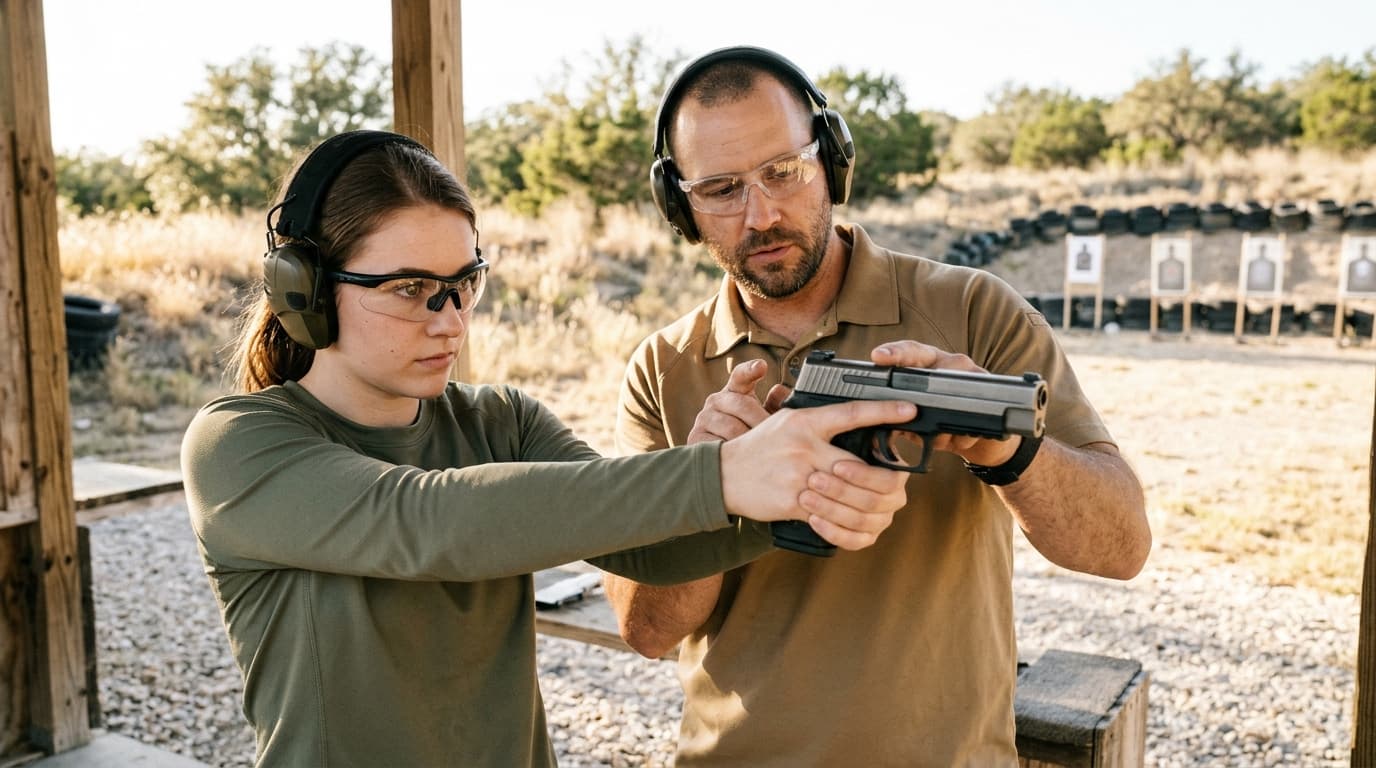
Firearm training for women provides structured, ego-free instruction on safe handling, marksmanship fundamentals, and personal protection. It addresses specific ergonomic challenges, like hand size and grip strength, while building confidence in a controlled environment. For Texas residents, it bridges the gap between basic range safety and practical, everyday concealed carry.
Why specialized firearm training for women matters
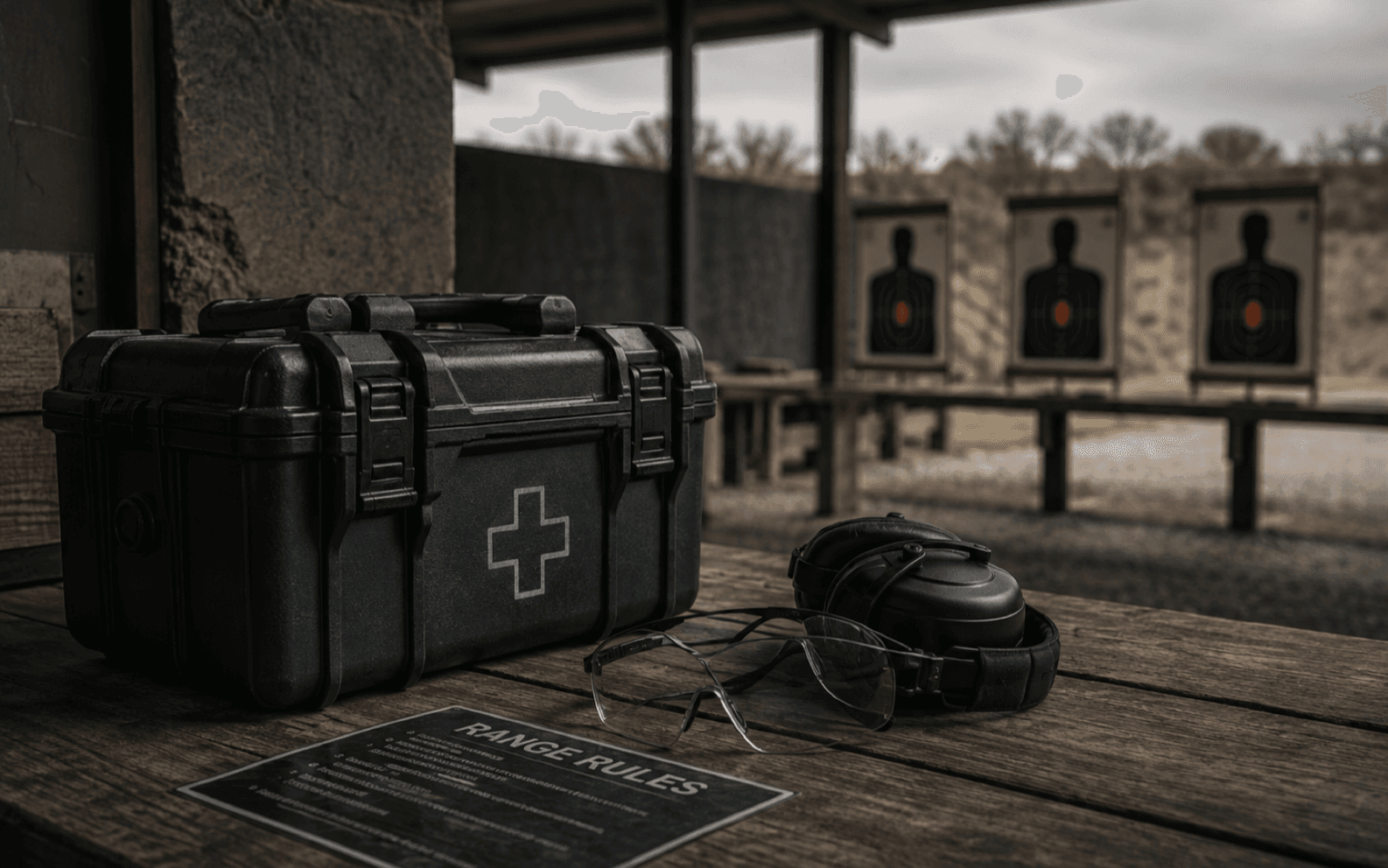
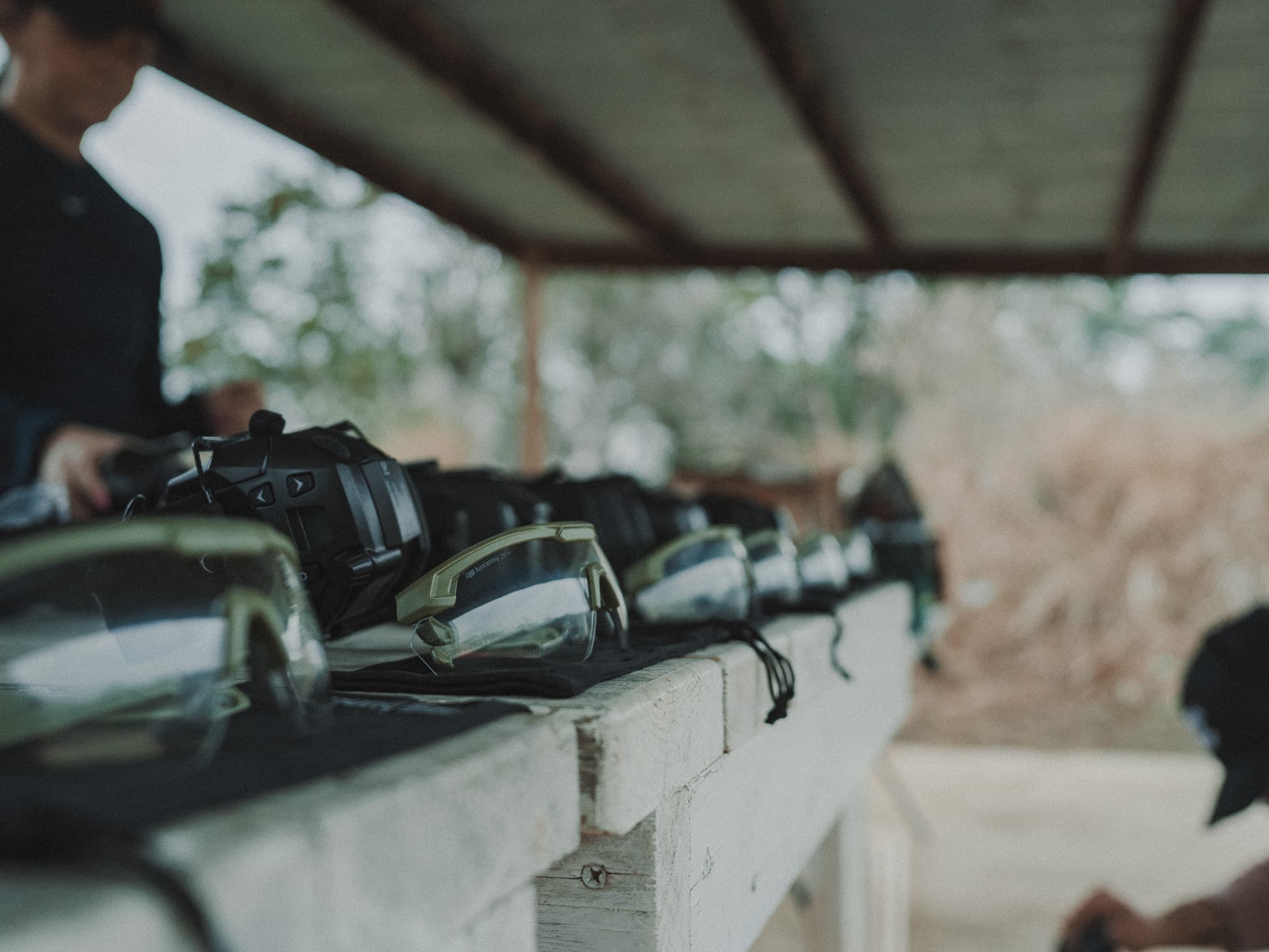
Stepping onto a shooting range for the first time can be intimidating. Many women seek out specific firearm training to overcome range anxiety and learn in an environment that prioritizes patience and clarity over ego. Effective safety training goes beyond simply pulling a trigger; it builds a foundation of situational awareness, defensive mindset, and responsible ownership.
Generic training often overlooks the physical realities of different body types and hand sizes. Women frequently encounter the "pink gun" stereotype, where well-meaning but misguided advice steers them toward small, lightweight revolvers or micro-compact pistols. While these firearms are easy to carry, their light weight actually makes them harder to shoot, as they absorb less recoil and transfer more force directly into the hands.
Quality personal training focuses on biomechanics and leverage. An instructor can assess your grip and hand size to help you find a firearm that fits properly. For example, many beginners struggle to rack the slide of a semi-automatic pistol due to perceived lack of grip strength. A structured training session will teach the "push-pull" technique, using the stronger muscles of the chest and shoulders to manipulate the firearm safely and efficiently, rather than relying solely on hand strength.
Core fundamentals of safety training
Whether you are pursuing personal training for home defense or everyday carry, the foundation of all firearm training is universal safety. These rules apply at the range, in the home, and in public, ensuring that you maintain control of your firearm at all times.
- Treat every firearm as loaded: Never assume a chamber is empty. Always verify the status of the firearm yourself.
- Keep the muzzle in a safe direction: Never point the firearm at anything you are not willing to destroy. At the range, this means keeping the muzzle pointed downrange or at the ground.
- Keep your finger off the trigger: Your finger should rest high on the frame of the firearm until your sights are on the target and you are ready to fire.
- Know your target and what is beyond it: You are responsible for every round fired. Always be aware of your backstop and the surrounding environment.
Mastering the marksmanship fundamentals
Once safety protocols are established, firearm training focuses on the mechanics of shooting. Proper stance provides a stable platform to absorb recoil, while a high, firm grip ensures the firearm cycles correctly. Sight alignment and smooth trigger control are critical for accuracy. In a Kinetic Training program, these fundamentals are drilled consistently until they become second nature, allowing the shooter to focus on decision-making rather than the mechanical operation of the gun.
Texas carry laws: Permitless carry vs. LTC
Understanding the legal landscape is a critical component of personal protection. On September 1, 2021, House Bill 1927 enacted Texas Permitless Carry. Under Texas Penal Code § 46.02(a-5), individuals 21 or older who are not otherwise prohibited by state or federal law may carry a handgun openly in a holster or concealed in non-prohibited public places without a permit.
However, obtaining a Texas License to Carry (LTC), administered by the Texas DPS under Texas Government Code § 411, Subchapter H, still offers significant legal advantages for women carrying for self-defense.
| Feature | Texas Permitless Carry | Texas License to Carry (LTC) |
|---|---|---|
| Age Requirement | 21 and older (generally) | 18 and older |
| Background Check for Purchases | Standard NICS delay applies | Expedited (skips federal NICS delay) |
| Out-of-State Travel | Subject to each state's permitless laws | Reciprocity with many other states |
| Campus Carry | Not allowed on public college campuses | Allowed under Tex. Gov't Code § 411.2031 |
| Federal School Zones | Prohibited within 1,000 feet | Exempt under 18 U.S.C. § 922(q) |
Understanding prohibited locations and signage
Even with an LTC, firearms remain strictly illegal in certain locations under Texas Penal Code § 46.03, including schools, polling places, government courts, secure airport areas, and businesses that derive 51% or more of their income from alcohol sales for on-premises consumption.
Private property owners also have the right to restrict firearms. Texas Penal Code § 30.05 allows owners to post signs against general trespass, which applies to permitless carriers. However, to prohibit an LTC holder from carrying, the property owner must post specific signage: Texas Penal Code § 30.06 prohibits concealed carry by LTC holders, and § 30.07 prohibits open carry. These signs must meet strict statutory requirements, including one-inch block lettering in contrasting colors.
The reality of concealed carry: On-body vs. off-body
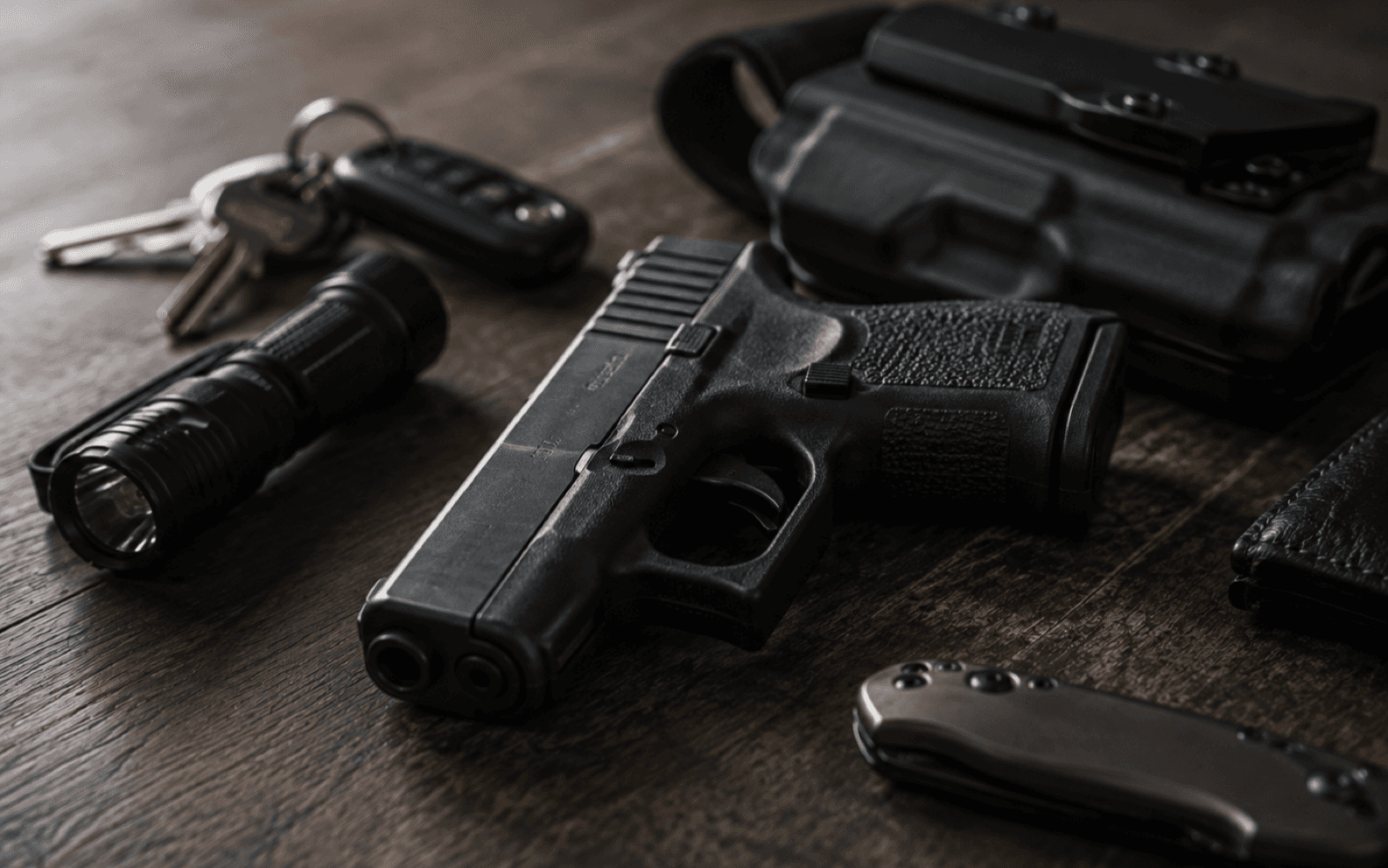
A major focus of firearm training for women is how to carry the firearm safely and comfortably. While many commercial sites endorse purse carry (off-body carry), it introduces severe liability and retention risks.
If a purse is snatched, the thief immediately gains access to a deadly weapon. Furthermore, drawing from a purse under stress is often slow and clumsy, as the firearm can become tangled in everyday items. On-body carry, utilizing a quality holster attached to a sturdy belt, a belly band, or a specialized concealment garment, ensures the firearm remains under your direct physical control at all times. The trigger guard must always be fully covered by rigid material to prevent an accidental discharge.
Safe storage and home defense
Personal training extends beyond the individual to the safety of the household. If you have children, or if children visit your home, safe storage is a legal requirement. Under Texas Penal Code § 46.13 (Making a Firearm Accessible to a Child), it is a Class C misdemeanor if a child under 17 gains access to a readily dischargeable firearm that was not locked in a secure container or secured with a trigger lock. This penalty elevates to a Class A misdemeanor if the child discharges the firearm and causes death or serious injury.
Balancing accessibility for Home Defense with secure storage requires planning. Quick-access biometric or mechanical lockboxes allow you to secure the firearm from unauthorized users while keeping it available for an emergency.
Firearm training for women near San Antonio
Genesis Rising, led by instructor Clayton McMurry, provides firearm training for women at ranges in Bulverde, Converse, Atascosa, near San Antonio, Texas. We understand that stepping onto the range can be daunting, which is why our instruction is entirely focused on patience, structured drills, and building genuine capability.
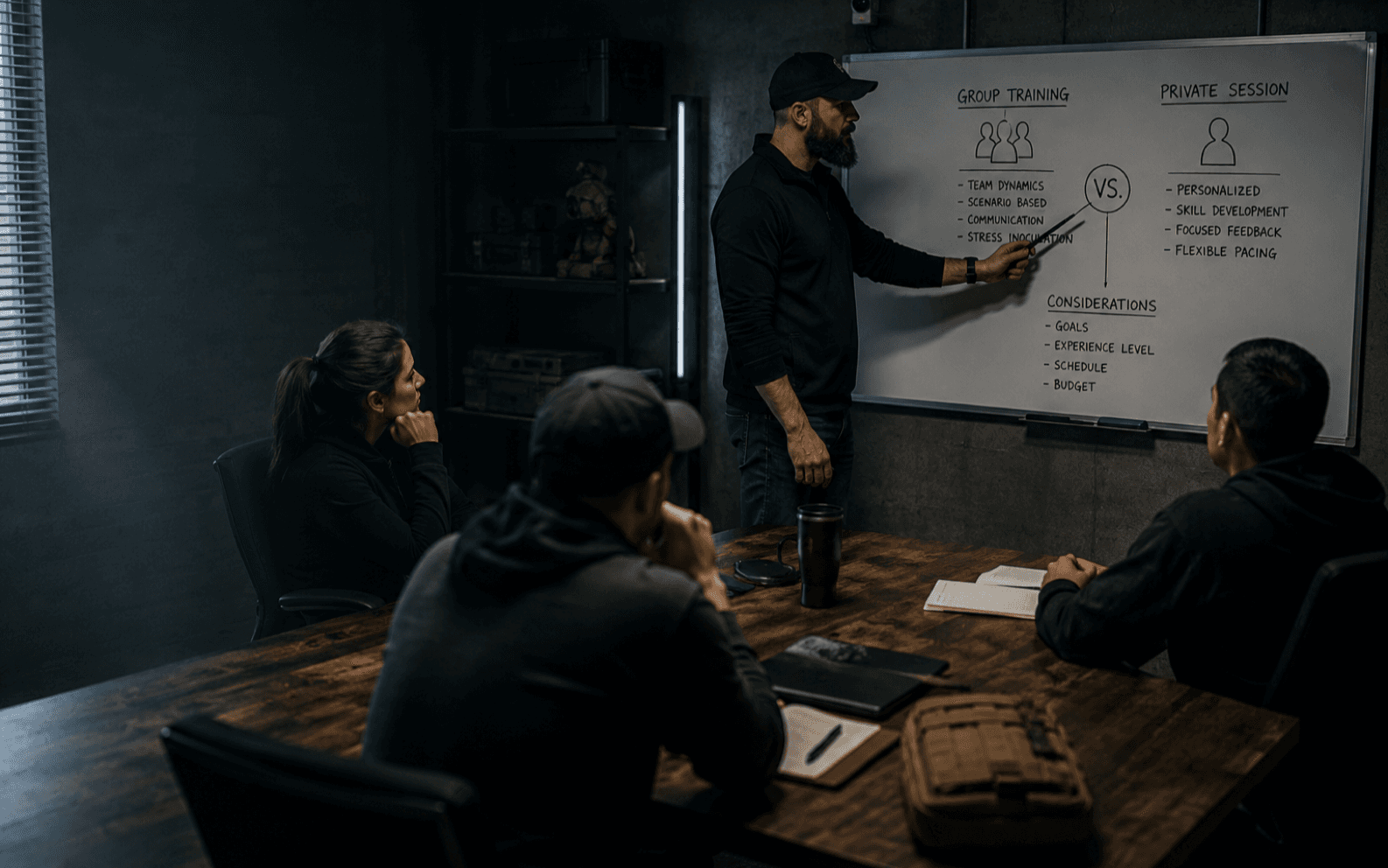
Whether you are learning the basic fundamentals of safe handling or looking to refine your draw speed and recoil management, our Private Training offers one-on-one instruction tailored to your specific needs. We conduct our sessions at established local facilities like Cedar Ridge Range, LoneStar Handgun, and Blackhawk Shooting Range, ensuring a safe, professional environment for every student.
Key takeaways
- Firearm training for women focuses on overcoming range anxiety, addressing ergonomic challenges, and building foundational safety and marksmanship skills.
- Proper technique, such as the push-pull method, allows shooters of all sizes to manipulate firearm slides safely without relying solely on hand strength.
- While Texas allows Permitless Carry, obtaining an LTC offers distinct legal advantages, including campus carry and exemptions in federal school zones.
- On-body carry is significantly safer and more secure than off-body purse carry, which carries high retention and liability risks.
- Texas law strictly requires firearms to be stored securely away from children under 17 to prevent unauthorized access.
If you are ready to take control of your personal safety and build confidence with a firearm, structured instruction is the best place to start. Contact Genesis Rising today or call +1 870-648-9353 to book your private training session.